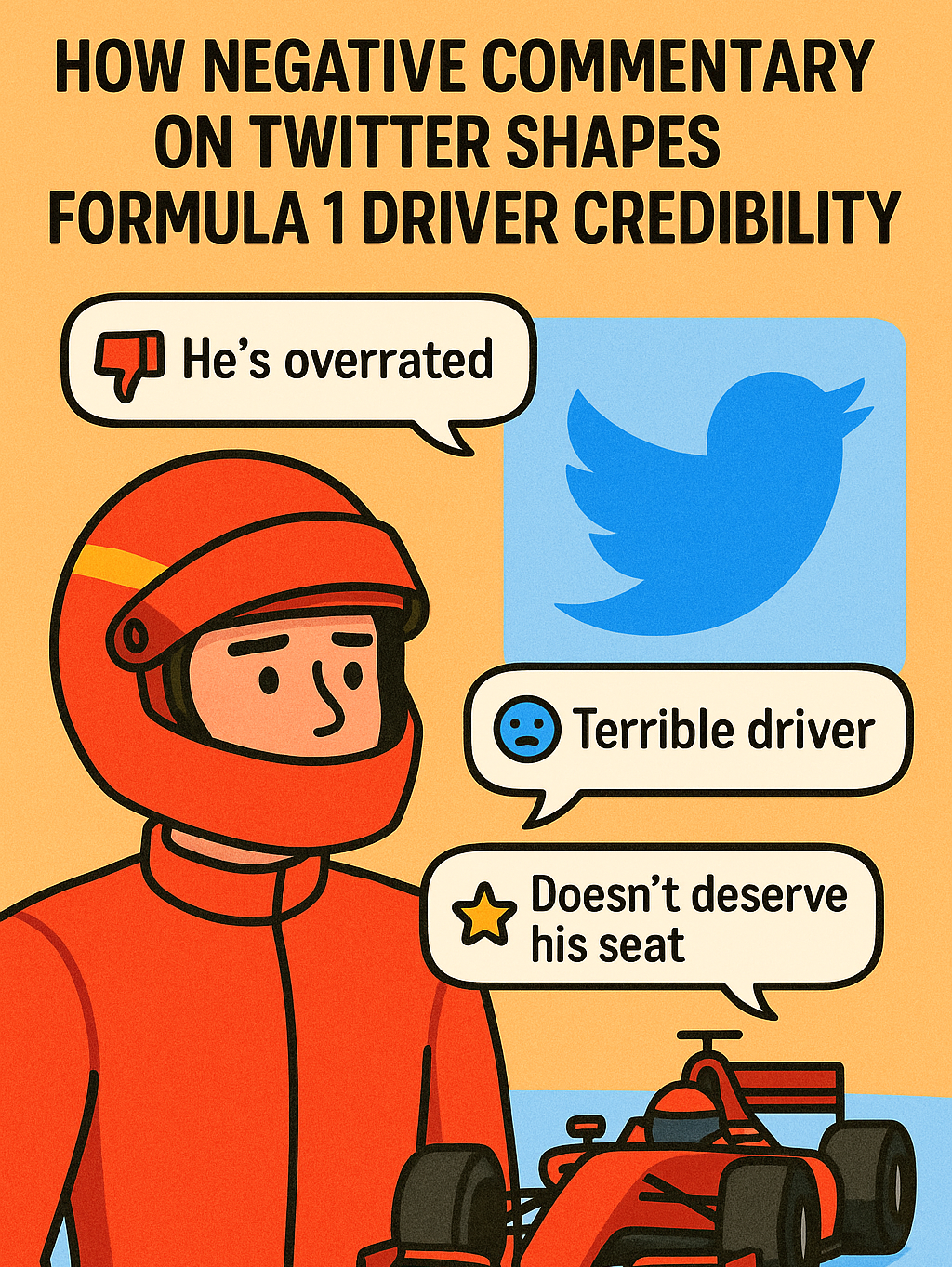
Q: “You mentioned Toronto, and I watched that race last year and heard a lot of the chatter online about what had happened. How does that, like, affect what you do at all? Like, everybody's got a really loud opinion nowadays. How do you handle that criticism, especially when the loudest voices often have the least information”
A: "I really paid attention to Facebook on that. Yeah. So there's a lot of chatter. There was a lot of misinformation out there. A lot of assumptions. So what I ended up doing, this is part of taking this to the step because we're talking about teams and, you know, they got my back. I always got their back. So we broke that one down pretty hard, those things. We spent a lot of time on that. And I did my own research, and during my debrief with the race director, and he even offered to do this, but I said, no. I'll do it. And I sent it to him for his review, and he agreed with it. And I mean, they were vilifying the marshals that they didn't do their job and stuff like that. As for online comments and things, monitor them, but I don’t get involved. I’ve gotten involved once and asked somebody to pull a post out because it was totally inaccurate. The guy took it down after I spoke to him, but I did it through private messaging. I didn’t do it publicly.”
Analysis: This was a question I was really looking forward to. There was a specific instance from last year we discussed where an incident caused a HUGE stir online about the race control/marshal community. The backlash was very severe and I wanted to hear his thoughts on how the leadership team got to the conclusion they presented to the media. His thoughts were very accurate in how I expected it to be handled, but it was nice to understand who the other people involved were. While not in this quote, he talked about letting the PR team handle the media while he handles the marshals. This specific instance, he sent a letter to the marshals encouraging them to stay out of the comment sections and not add fuel to the fire. Hearing about the response to the workers being specific and direct to the incident itself and not allowing it to be swept under the rug was very encouraging for me.
Q: “Has, TV, like, cameras and all of that stuff changed how you operate, since you started in race control?”
A: "In IMS’s [Indianapolis Motor Speedway] race control… they used to have the old VCR, CRT-TV combinations that had the CCTV. So you had to put VCR tapes in there, record, and you record. And if you needed a replay of something, you had to take the tape out and scroll back. Then the tape’s only so long. So during the race, you had to pull the tapes out and put new tapes back in. And now today, everything’s all digital, everything’s put on servers and stuff like that. You can go back at any time and find any clip, click what you want, save it, and all that. So Yeah. I mean, race control has been different. I mean, even before that, it was all marshals. I mean, St. Pete [the IndyCar Race at St. Petersberg] last week, we were doing a lot of old school because we were having issues. Yeah. Because or whatever the problems were on Friday, and it was old school. We had very little TV coverage. Actually, no TV coverage.”
Analysis: I expected a little more from this question than I got, but that was my fault for not understanding when Bill stepped into the role he is in. I really enjoyed his explanation about some of the issues that happened at the race the week prior, that as a viewer, I experienced from my end as well. It was neat to see how they handle those issues where the technology everyone is comfortable with isn’t working properly and they have to keep the weekend moving.
Q: “Is there anything, like, specific that makes, like, a weekend a good weekend or a successful weekend?”
A: “I want, you know, I want everybody to go home. Yeah. That's my biggest thing. But I want everybody to have a good time. I mean, I know marshals do this out of love. This work, they volunteer their time, and they don't do it for a lot. There's no money involved. Yeah. And to me, you see the satisfaction of having a good weekend, seeing some good racing, being part of good racing. Yeah. And having a good weekend.”
Analysis: This is something that we discuss in every morning meeting I work. I asked this question because I wanted to know if there was anything else he valued in a weekend that I hadn’t heard before.
Q: “Is there anything you’ve started doing that you believe is making a difference in the marshaling community?
A: “You know, I love what I do. I love being a marshal communicator and trying to create a really good culture, both being somewhat transparent. You know, and sharing information and trying to get people more involved. And, you know, because there's always a stigma with pro events that, ‘Well, marshals aren’t needed anymore.’ That’s totally false. And so I tried to bring them in on the inside a little bit... Last year, I started bringing in marshals to race control. Not during sessions, but in the morning before the meeting. You go, ‘Hey, here’s what it is.’ And I found that the work has gotten better now. A lot better because there’s an understanding now."
Analysis: This is a big thing in the marshaling community. It’s a difficult field to start working in simply because there is a large group of workers who like the separation and status that corner working allows them. They don’t take kindly to outsiders or changes in their typical routine. I’ve heard good things about this specific topic Bill discussed, but hearing his approach helped me understand how he came to the decision he made for introducing the workers on the bottom of the totem pole to the leadership roles.
Q: “Recruiting new marshals has been a struggle for the last few years. What do you think about the differences between SCCA recruiting, where they emphasize the club races, and how F1 has been doing the local marshal program. I know I've had some friends who've been interested in doing it and I will tell some people how to get into it and there are other people that I've been like, “Let's try something else first.” I’ve always wanted to get them into club racing first, since that’s where I started.”
A: "It used to be that way, club races and stuff like that. And that’s the best way to start, by far. But the problem is that a lot of them [new marshals] don’t understand the club races. They don’t see it. What they see is IndyCar and all that. I mean, the minimum that we need for Formula One at COTA [Circuit of the America’s] is 232 people, and we were barely getting that when I took it over. My orders [from F1] were, if they have a clue—if they understand racing, what they’re getting into, if they’ve worked drag racing, circle track, in an official capacity, trackside, stuff like that—they have a clue. They understand what’s going on. I can teach them the rest. I can teach them the flags. I can teach them whatever is needed. And I found that it works. I know a lot of the experienced marshals don’t like that, but I’m like, ‘But it works.’ There are several people at COTA that I took that had no experience, and they're back year after year after year. They're doing, you know, some of the stuff. They do everything at COTA, but it's not all the glory stuff. And so to me, if I can set the hook and reel them in, you know, if it takes a pro race to do that with, then they can start exploring the club stuff."
Analysis: This question came immediately after the prior one. We spent a significant amount of time discussing the future of marshaling. I’ve said this a few other times as well, but marshaling is a hard specialty to start working in simply because of the lack of information out there. I love what he is doing with the local marshal program because of the huge amount of visibility it gets. I also had a conversation with another flag chief last weekend about the increase in SCCA memberships as a direct correlation to this program. I had my doubts when I heard about it, but what Bill is doing is working in a way that flag marshals haven’t seen in years. I’m thrilled to be a part of this journey and introducing more people to working at the race track.
Strategic Sports Communication, Tom Lamonica, Illinois State University